
"Arabic coffee history"
200 article(s) found

Rich sour and sweet Galapagos coffee flavor, characteristics, taste and manor introduction
In 1875, Ecuador's indigenous ManuelJ.Cobos began to grow Arabic bourbon coffee trees in the Hasunda Coffee Garden (HaciendaElCafetal) in San Cristobal. Coffee production in the Galapagos Islands: coffee is grown in San Cristobal (SaintCristobal). In the Hasunda Cafe Garden (HaciendaElCafetal) in San Cristobal

European Coffee Culture with a long History of Fine Coffee Culture
European coffee culture: when Europeans first came into contact with coffee, they called this seductive drink Arabian wine, and when conservative Catholics cursed coffee as the devil's drink, they never thought what a precious thing they would inherit from the pagans. As the first region in the world to drink and produce coffee, Arab countries

Taste rich, sour and sweet Galapagos coffee flavor, characteristics, taste and manor introduction
In 1875, Ecuador's indigenous ManuelJ.Cobos began to grow Arabic bourbon coffee trees in the Hasunda Coffee Garden (HaciendaElCafetal) in San Cristobal. Coffee production in the Galapagos Islands: coffee is grown in San Cristobal (SaintCristobal). In the Hasunda Cafe Garden (HaciendaElCafetal) in San Cristobal

Coffee culture stories about coffee culture
Coffee is a culture, a global culture, and a regional culture, so to speak, a global culture with regional differences. Therefore, different countries, combined with their different cultural backgrounds, have formed different coffee cultures. Arabic coffee culture As the first coffee drinking and producing region in the world, Arabic coffee culture is like its coffee

Coffee + name + Origin of Ethiopian History
Coffee + name + History of Ethiopia Coffee is produced in many parts of Ethiopia, but the main producing areas are still concentrated in the Kafa and Hidamo areas in the southwest. Where the sea limit is between 11002300 meters, the precipitation is uniform during the growing period, the temperature is maintained between 1524 degrees Celsius, and most of the soil is weakly acidic soil with good drainage and rich humus, which is suitable for coffee.

Taste rich and sour with sweet Galapagos coffee flavor, characteristics, taste and manor introduction
In 875, Ecuador's indigenous ManuelJ.Cobos began to grow Arabic bourbon coffee trees in the Hasunda Coffee Garden (HaciendaElCafetal) in San Cristobal. Coffee production in the Galapagos Islands: coffee is grown in San Cristobal (SaintCristobal). In the Hasunda Cafe Garden (HaciendaElCafetal) in San Cristobal

The basic knowledge of Arab Coffee Culture Coffee Culture History
When Europeans first came into contact with coffee, they called the seductive drink Arabian wine, and when conservative Catholics cursed coffee as the devil's drink, they never thought of what a precious thing they inherited from the pagans. As the first region in the world to drink and produce coffee, Arab coffee culture is like it.

History and Culture of Coffee planting in Ethiopia
People in Ethiopia began chewing coffee and spices together in the sixth century, and it was most common for hunters to wrap coffee in bacon as the best dry food, so that they could have enough to eat and have the spirit to hunt. So chewing coffee as a tradition. In the mid-13th century, Ethiopia was already using pans as a tool for roasting coffee, leading the coffee culture.

History and Origin of Coffee Trees
It wasn't until around the 11th century that people started brewing coffee as a drink. In the 13th century, Ethiopian troops invaded Yemen, bringing coffee to the Arab world. Because Islam prohibits believers from drinking alcohol, some religious people believe that this drink stimulates nerves and violates the doctrine. Coffee shops were once banned and closed, but Egypt's Sultan believes that coffee does not violate the doctrine.

The History of Coffee the Origin of Coffee
The historical origin of coffee there is no way to examine the origin of coffee. One of the many legends is that coffee originated in the highlands of Cafa province in southwestern Ethiopia. It is said that a shepherd became very excited and lively when he discovered that the sheep had eaten a plant, so he discovered coffee. It is also said that it was caused by a wildfire that destroyed a coffee forest and the smell of barbecue coffee.

Description of planting Information and Flavor of single Coffee Bean in Uganda
For professional baristas, follow the Coffee Workshop (Wechat official account cafe_style) Uganda, the mother of Romsta in Africa, has also produced excellent high-altitude Arabian species in recent years; Romda coffee was discovered around Lake Weidoria in 1860, and there are still wild species there today. At the beginning of the 20th century, the Arab species was introduced from Malawi in South and East Africa, while Allah

Introduction to the history and customs of the earliest drinking coffee and the production of coffee beans and Arabian coffee
As the first region in the world to drink and produce coffee, Arab coffee culture is as old and old as its coffee history. In the Arab region, people still retain an ancient and long tradition and exquisite in terms of coffee quality, drinking mode, drinking environment and atmosphere. In Arab countries, if a person is invited
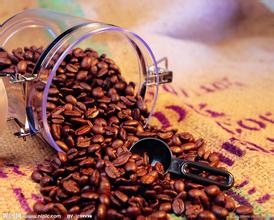
History of Coffee Culture in Turkey-Flavor Description Practice Quality Introduction
Coffee was introduced to Turkey in the sixteenth century and began to be commercialized. Due to its geographical location across Europe and Asia, Turkey quickly spread coffee to the European continent. The original Arabic coffee drinking method is still popular in Greece, the Middle East, Eastern Europe and North Africa. And because Turkish coffee retains its true flavor, it's passed down from generation to generation.

Introduction to the Grinding scale Origin treatment method of Ethiopian Yega Xuefei Coffee Bean
The grinding scale origin treatment method of Ethiopian Yejashefi coffee beans An is water washing treatment, and the grade standard is SCAA, which is formulated by the American Fine Coffee Association, with Gr-1;Gr-2, the smaller the Arabic numeral, the higher the grade, and the distinct style of G1 Yegashafi. The flavor of citrus and floral flavor in the coffee liquid is irresistible to everyone; Class B is the sun-tanning method.

Variety characteristics of Yega Xuefei Fine Coffee Bean introduction to the description of taste and flavor in producing area
Yega Xuefei is divided into two categories according to the different ways of handling raw coffee beans: category An is washed, and the grade standard is set by the American Fine Coffee Association SCAA, which is divided into Gr-1;Gr-2, the smaller the Arabic numeral, the higher the grade, and the distinct style of G1 Yega Chefe. The flavor of citrus and floral flavor in the coffee liquid is irresistible to everyone; Class B is the sun-treated raw coffee beans.

Yemen mocha coffee how to drink_Yemen mocha coffee price is how much_Mocha coffee origin profile
Professional coffee knowledge exchange More coffee bean information Please pay attention to coffee workshop (Weixin Official Accounts cafe_style) Although Ethiopia is the birthplace of Arabica, from the end of the 17th century to the beginning of the 18th century, the first coffee that Europeans drank came from Yemen. At that time, African or Arabic coffee was all exported from Mocha Port, and the geographical location of Mocha became synonymous with coffee.
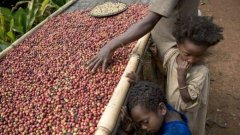
Lake Titicaca in Bolivia: water washing, iron washing, Pica boutique coffee beans, origin, development, history and culture
The advantage of Bolivian coffee lies in its high altitude and excellent varieties of coffee, where the traditional Tibica and a small amount of Kaddura are highly valued in the world market. In the past, coffee trees in Bolivia used to act as hedges and ornaments around the garden. Real commercial production began in the early 1950s. The great frost in 1957 seriously damaged Pakistan.
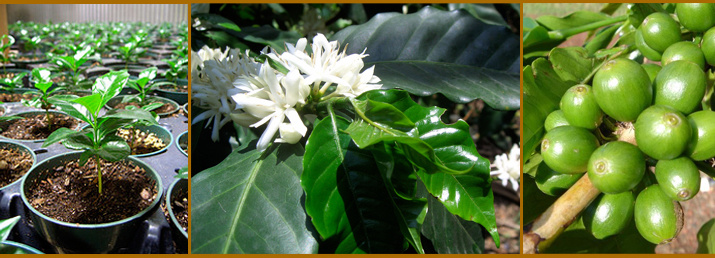
The basic knowledge of coffee beans the history and origin of coffee
The History of Coffee and the History of Coffee Coffee is now an indispensable drink in our lives, but in the long journey of looking for coffee, we can seem to feel countless passion and adventurous romance. How on earth did coffee, quietly grown in the depths of the quiet forest, be discovered and widely accepted all over the world? And how to open it.

The origin of coffee how much do you know about the history of coffee? The History and Story of Coffee
There are many legends about the discovery of coffee, one of which is that according to Roth de Neroy (1613-1707), a Roman linguist, Caldai, an Arab shepherd, was herding sheep to the Isobian prairie one day around the sixth century A.D., and he was surprised to see that each goat was extremely excited and excited. He felt very strange. After careful observation, he found that these sheep were eating.

What are the standard courses of the European Fine Coffee Association? Does China have scae International Coffee Certificate?
Professional coffee knowledge exchange more coffee bean information please follow the coffee workshop (Wechat official account cafe_style) European Fine Coffee Association license course: ● extraction and Grinding Certification (Gold Cup) Primary (5point) ● extraction and Grinding Certification (Gold Cup) Intermediate (10point) ● * basic Coffee knowledge course (10point) syllabus: 1. The life history of the seed